10 Ways to Provide Mental Stimulation for a Dog: Vet-Approved Advice



An uncompromising thing dog owners must provide for their dogs is plenty of mental stimulation. Mental enrichment activities increase your dog’s happiness and wellbeing1 , and they also help reduce boredom and behavioral issues, such as destructive chewing and separation anxiety.
Fortunately, there are plenty of enrichment activities that all kinds of dogs will find engaging and entertaining. Here are some of our favorite activities that give the mental stimulation that dogs need every day.

The 10 Ways to Provide Mental Stimulation for Your Dogs
1. Go on Scent Walks
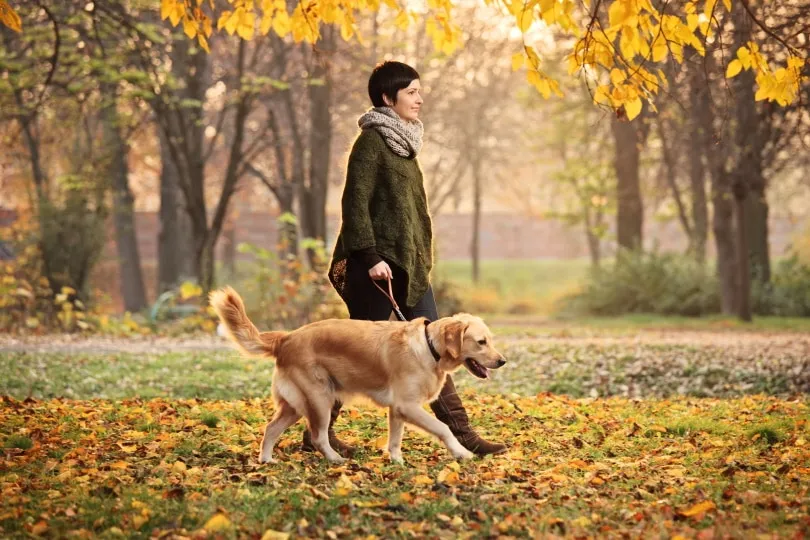
Going on walks doesn’t just provide good physical exercise for dogs. Since dogs explore the world through their noses, they constantly pick up on scents that aren’t as obvious to humans. So, scent walks are an excellent way for them to use their noses to explore.
Distance isn’t the main focus of scent walks. Instead, the focus is on allowing your dog to sniff around and check out new spots. So, make sure to take your time on these walks and allow your dog to take its time smelling any areas that pique its interest.

2. Use a Treat-Dispensing Toy
A treat-dispensing toy is a great way to help engage your dog’s mind. Rather than just mindlessly eating, an interactive treat-dispensing toy creates excitement as dogs need to use their brains to figure out how to get tasty treats. It engages the mind and nose, and some toys also provide some level of physical exercise.
If you have a particularly energetic dog, a toy that bounces, wobbles, or rolls around can be a great option that helps dogs exert energy in a healthy manner.
3. Use a Snuffle Mat
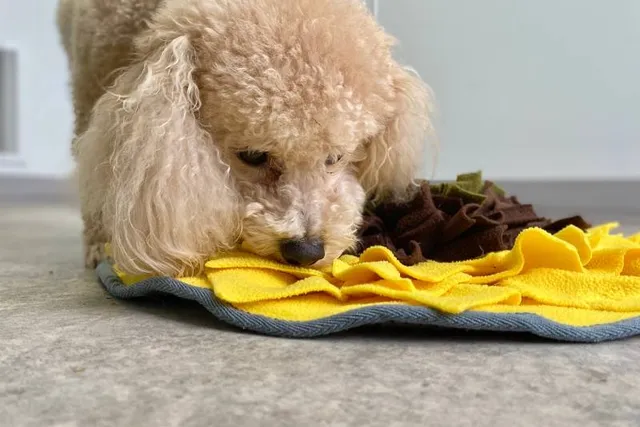
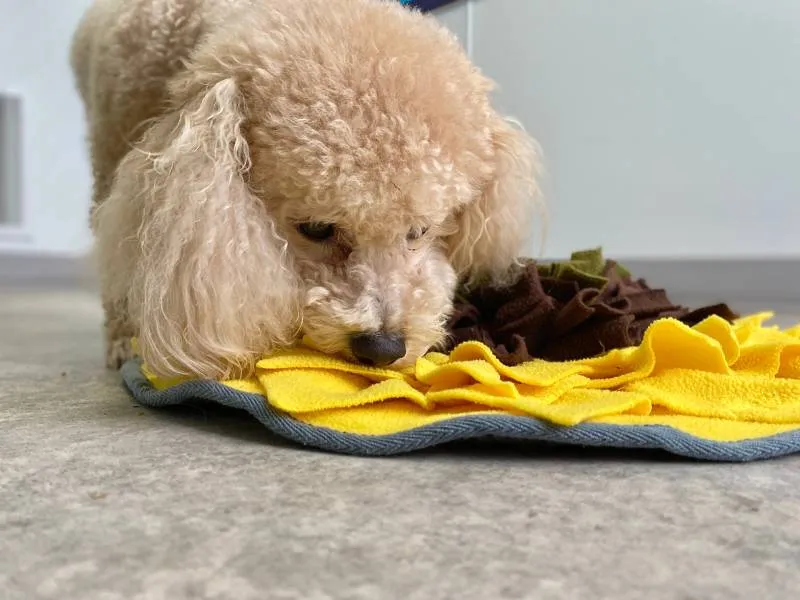
A snuffle mat is a similar concept to a treat-dispensing toy, except it encourages more sniffing and snooping. It can be a particularly fun experience for dogs bred for sniffing, such as scent hounds and pointers.
You can purchase a snuffle mat or make your own. A DIY snuffle mat can be constructed easily with safe everyday household objects, like paper towel rolls and fabric from old clothes.
4. Hide Treats in a Room
Hiding treats in a room is an advanced version of a snuffle mat. If your dog has mastered the snuffle mat, it may be ready to use its nose to sniff out treats in a room. Start by hiding treats in more obvious areas in a room.
As your dog gains experience, you can place treats in more inconspicuous parts. Your dog will love the increasing challenge, and these experiences will boost its confidence.
5. Go to the Dog Park
Dogs have social needs, and many will benefit from visiting the dog park. If your dog enjoys the company of other dogs, regular trips to your local dog park can do wonders. Not only will these trips let your dog play and interact with other dogs, but they’ll also provide many opportunities to sniff around.
6. Make Mealtimes More Stimulating
Feeding your dog meals in a standard bowl is easy, but some dogs may crave a challenge that stimulates their nose and natural instincts to forage. You can make mealtimes more exciting by scatter-feeding kibble, using slow feeders, licki mats, or putting food inside a treat dispenser or a puzzle toy.
Making mealtimes more challenging can also help your dog slow down with eating and prevent gastrointestinal upset.
7. Teach New Tricks
No matter what age, you can teach a dog new tricks. Intelligent dog breeds, like Border Collies and Australian Shepherds, crave learning opportunities. So, learning new tricks can be a fun hobby and bonding experience with their owners.
Basic obedience training is a great place to start. Then, you can move forward towards more advanced tricks. Not only does this stimulate the mind, but it can be very rewarding and build confidence for dogs if they can perform these tricks in front of others and receive a lot of praise and affirmation.

8. Get Involved in a Dog Sport
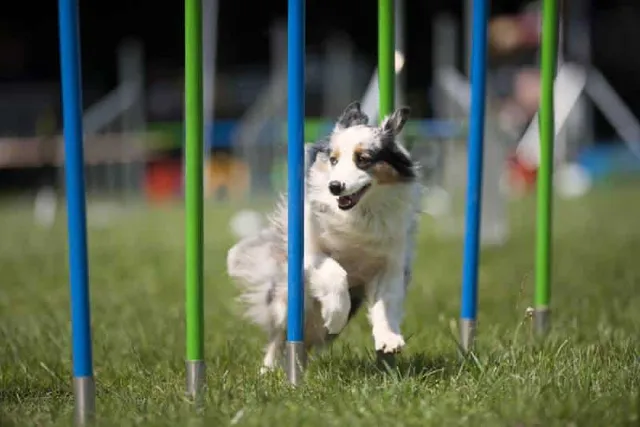
Energetic and dynamic dog breeds may enjoy getting involved in dog sports. Fortunately, there are many options for dogs of all sizes and breeds. Agility courses are a classic dog sport, but your dog can also get into dock jumping, flyball, herding trials, frisbee, and tracking.
There’s something for everyone in the world of dog sports, so it doesn’t hurt to try out a few and see what’s the most fun for your dog.
9. Build Your Dog’s Social Circle
As companion animals, dogs typically enjoy being around their people. If your dog is very social, it can be beneficial for them to meet new friends, both humans and other dogs. Setting up playdates is a great way to create a controlled and safe environment for dogs and people.
Once your dog gets to know other dogs and people, it’ll be easier to schedule social time into your dog’s routine. Your dog will love opportunities to hang out with its favorite friends, which can help alleviate boredom.

10. Give Your Dog a Job
Many dogs were originally bred to perform a specific job. So, your dog may crave having a job. You can teach your dog to help you with chores around the house, like carrying or fetching items. Some dogs do well as therapy dogs and may thrive in volunteer work, like visiting hospitals. Other dogs may become excellent hunting companions.
No matter the activity, your dog will enjoy spending more time with you. So, it doesn’t hurt to figure out ways to include your dog in more activities in your daily life.
Final Thoughts
Providing mental stimulation for a dog can be simple or intricate. Making minor changes like adding a treat-dispensing toy or including your dog in more activities in your daily routine can help alleviate your dog’s boredom. If you want a more significant challenge, you can start to teach your dog new tricks or get involved in dog sports.
No matter what age or type of breed your dog is, it needs daily mental stimulation. So, figuring out what it enjoys can help immensely with boosting its quality of life, and it’ll be an excellent way for you two to strengthen your bond.
Related stories:
Featured Image Credit: Roman Seliutin, Shutterstock
Expert dog care, straight to your inbox
News, insights, expert advice, and everything dog.

No spam — unsubscribe anytime.
By signing up, you agree to our Terms & Conditions and Privacy & Cookies Policy.
How useful was this post?
Click a star to rate. You can leave written feedback afterwards. (We read all feedback.)
Jessica is a freelance writer who spends bigger part of her day researching and writing while her furry companion Cavapoo, Nora, snoozes beside her. She loves dogs, pets and animals because there’s so much to learn from them, and they do so much for us. As a dog mom, she understands the strong connection that pet parents have with their pets. So, she loves sharing helpful information that pet owners can use to better understand their beloved pets. When she isn't writing, you may find her walking dogs, tending to her plants, or drinking her nth cup of coffee.